Expedia closes Elliot Bay Trail

Another one:


“The section of the trail surrounding the new headquarters campus on the Elliott Bay waterfront will close July 18, detouring pedestrians over the West Galer Street flyover and along Elliott Avenue, and sending cyclists along Alaskan Way.”


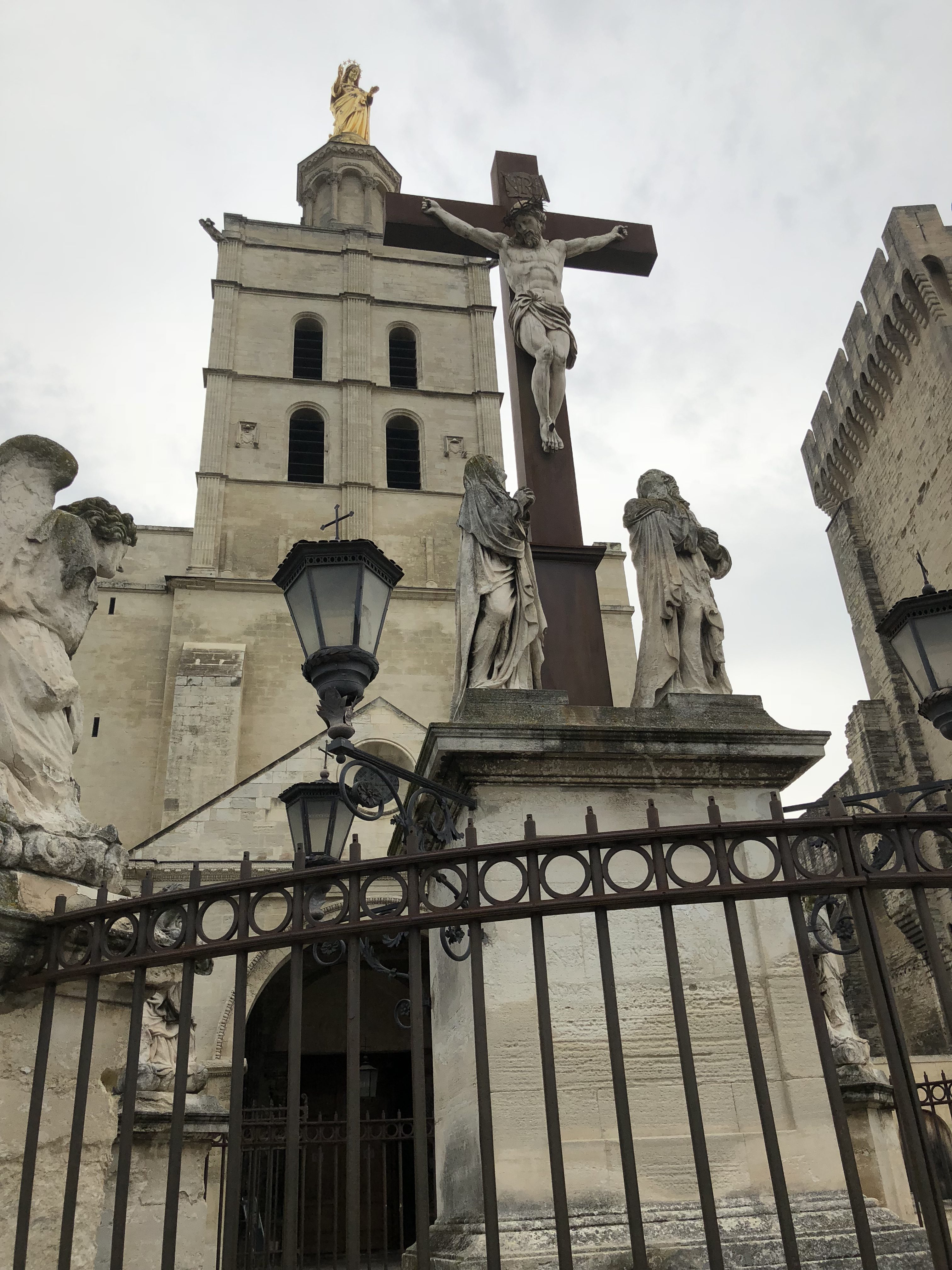
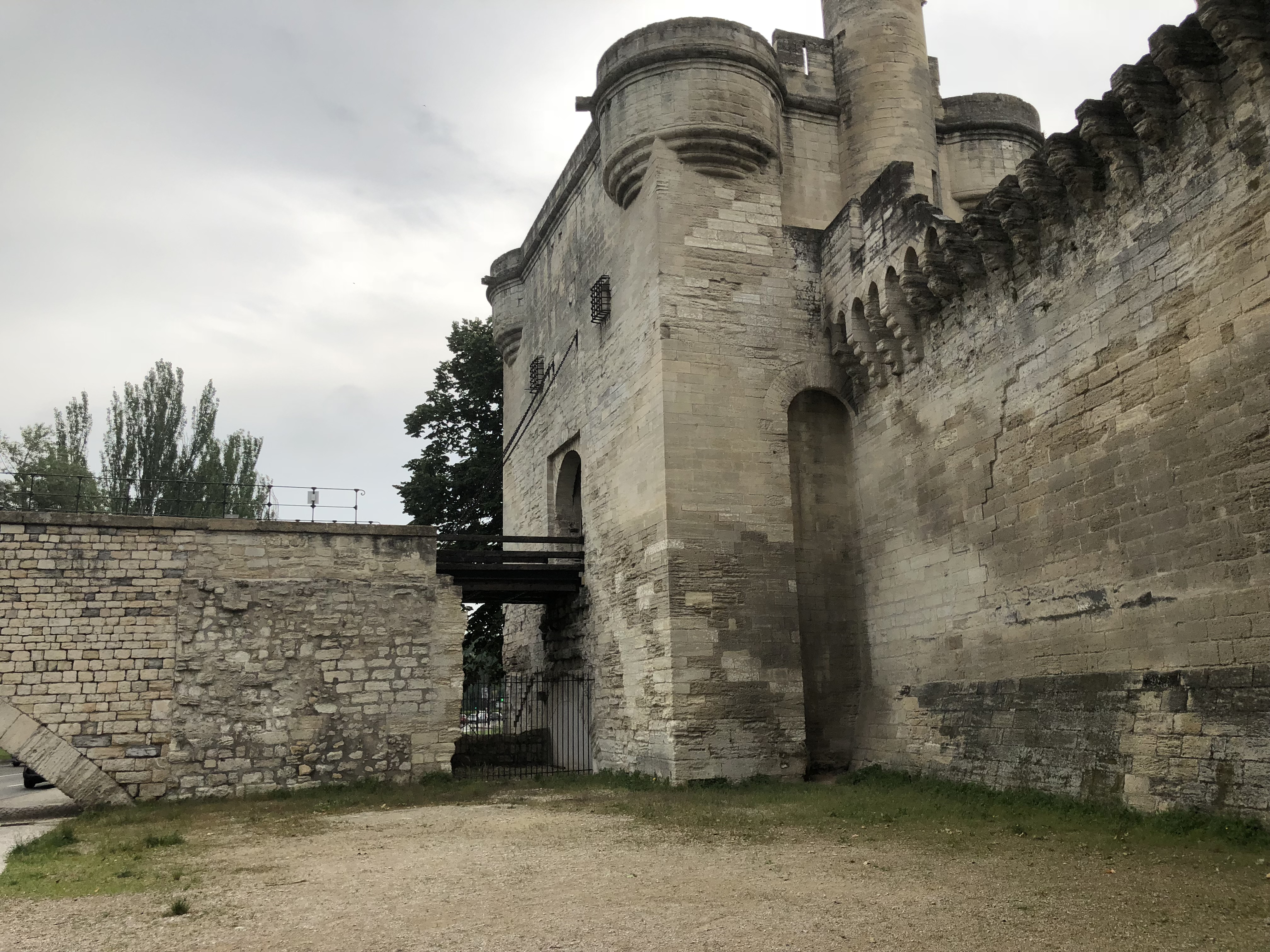
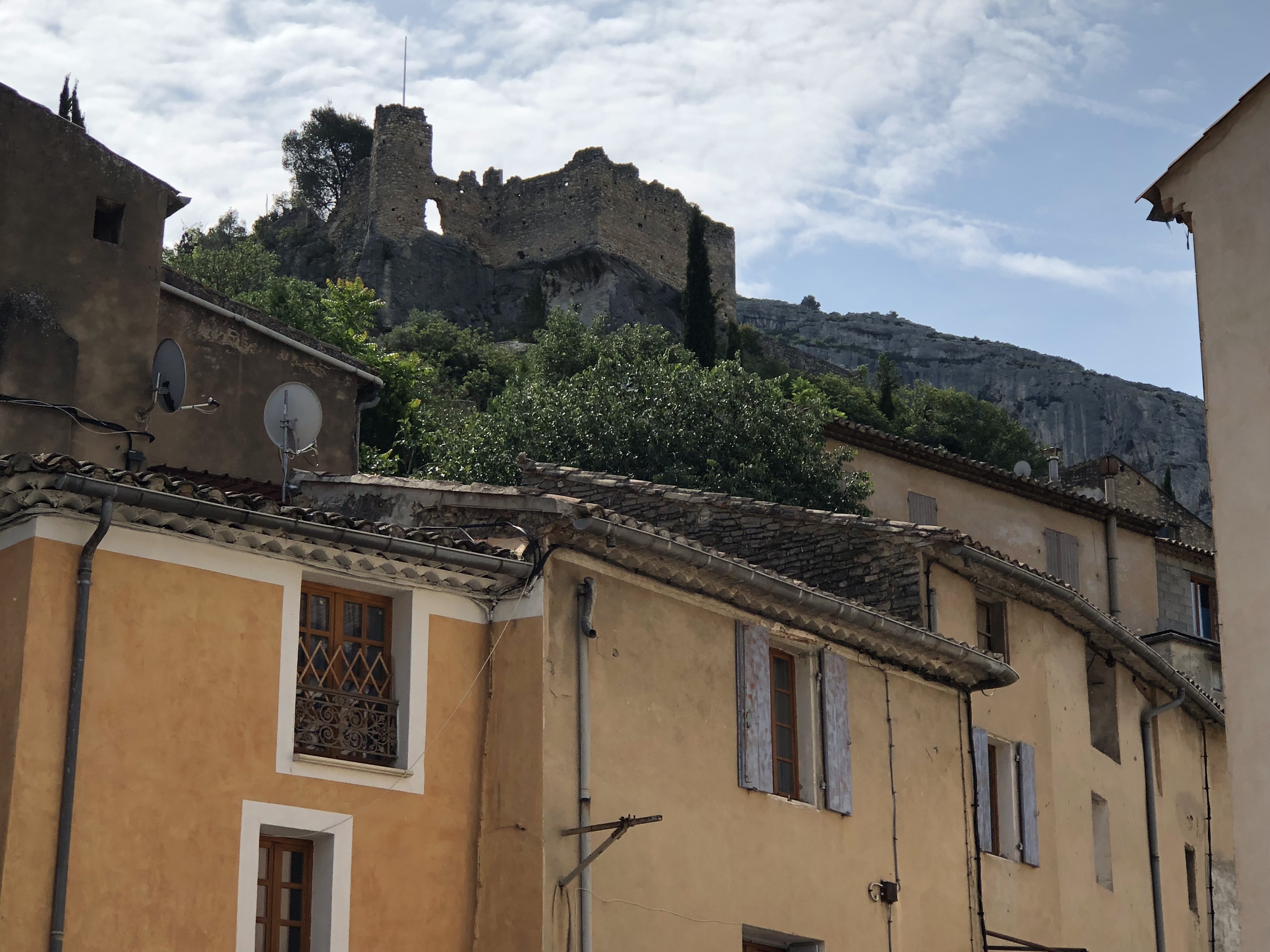
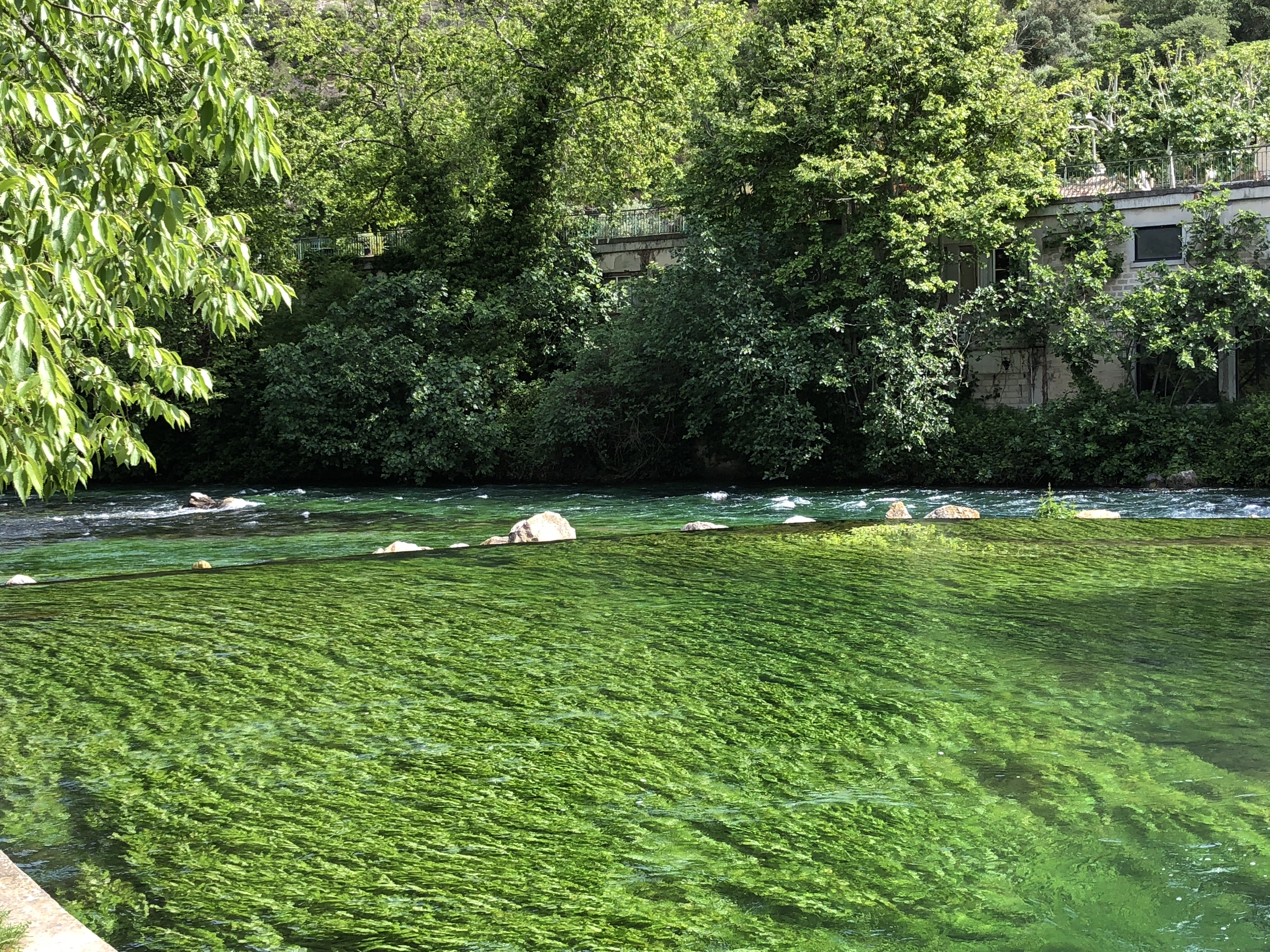
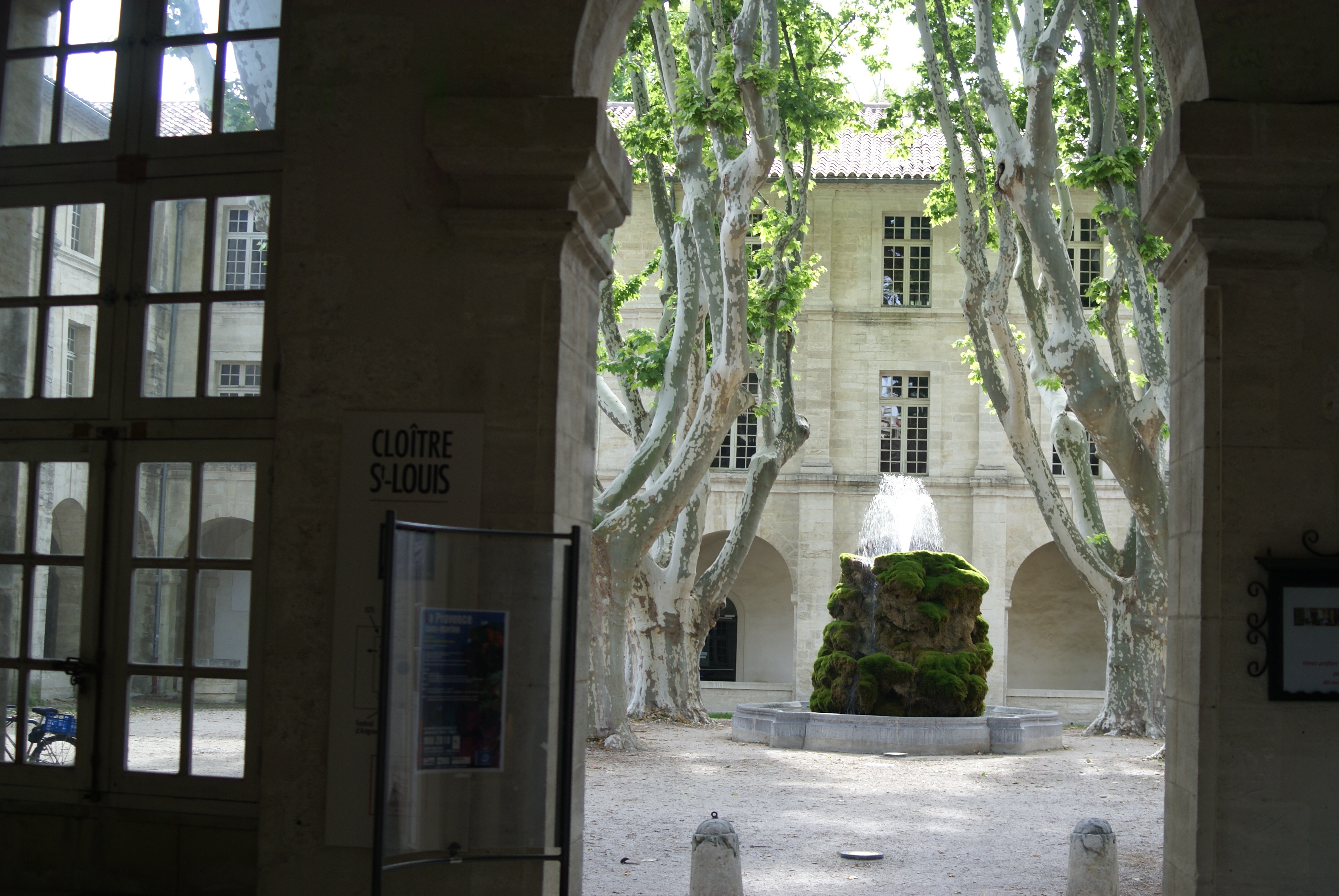
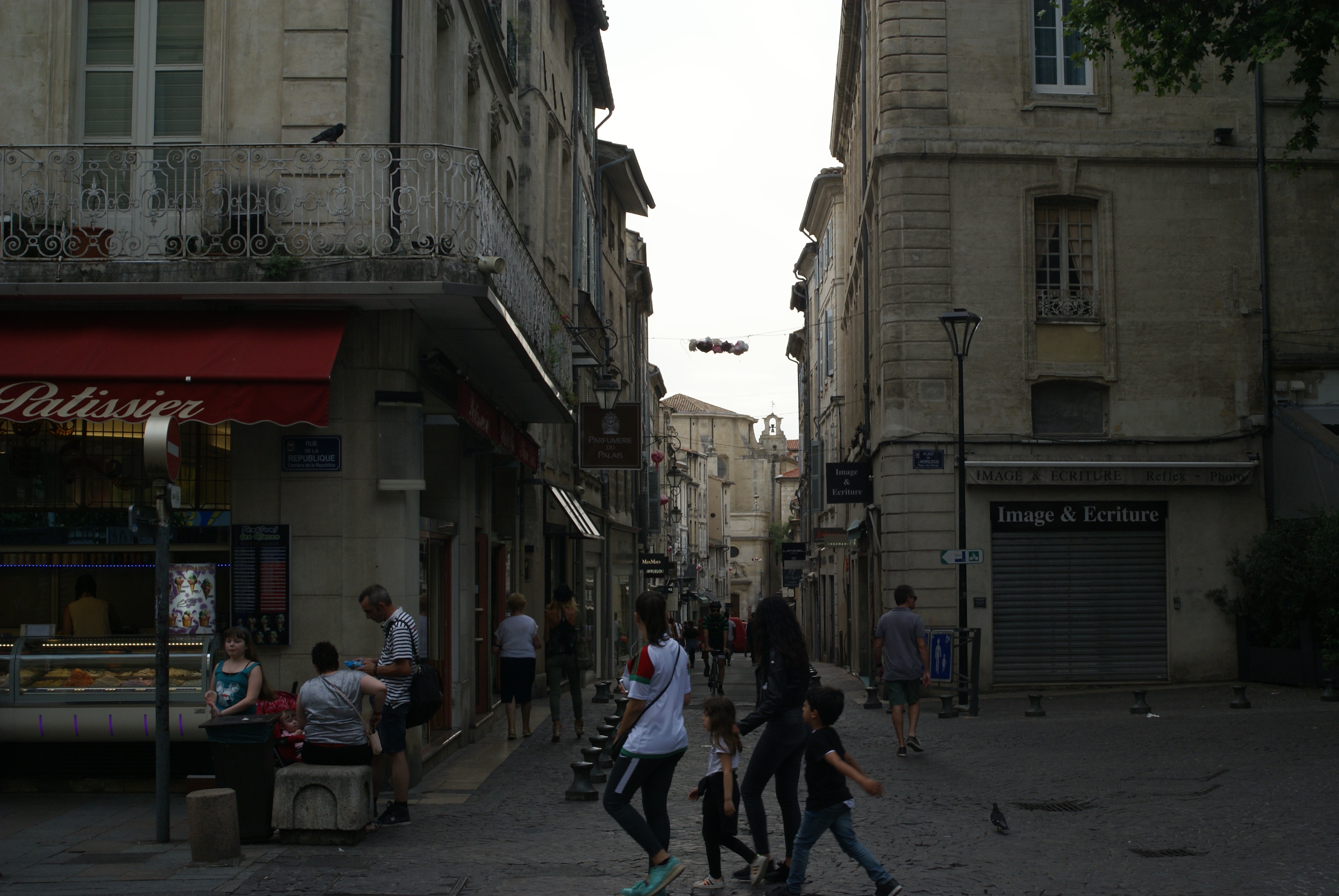
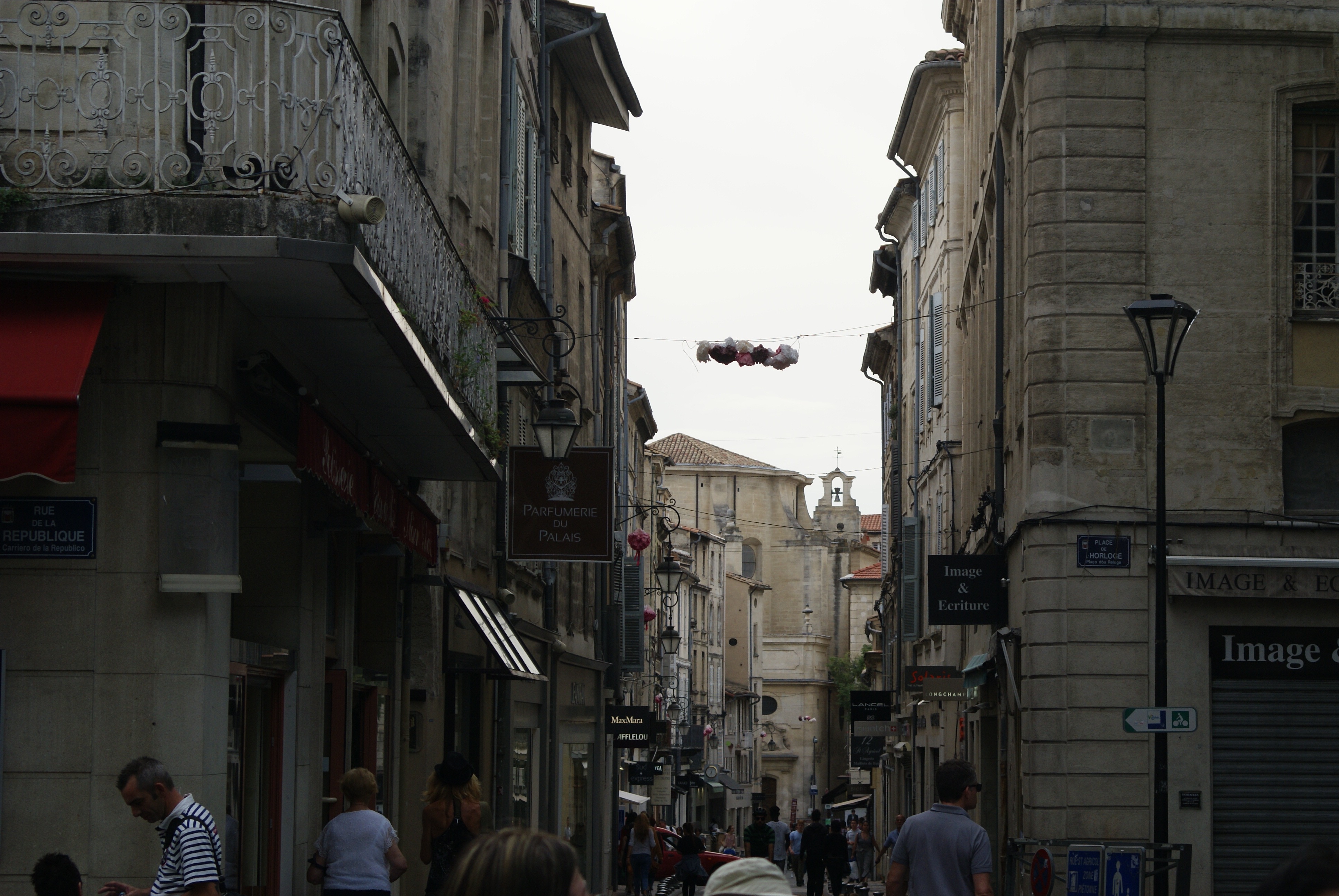
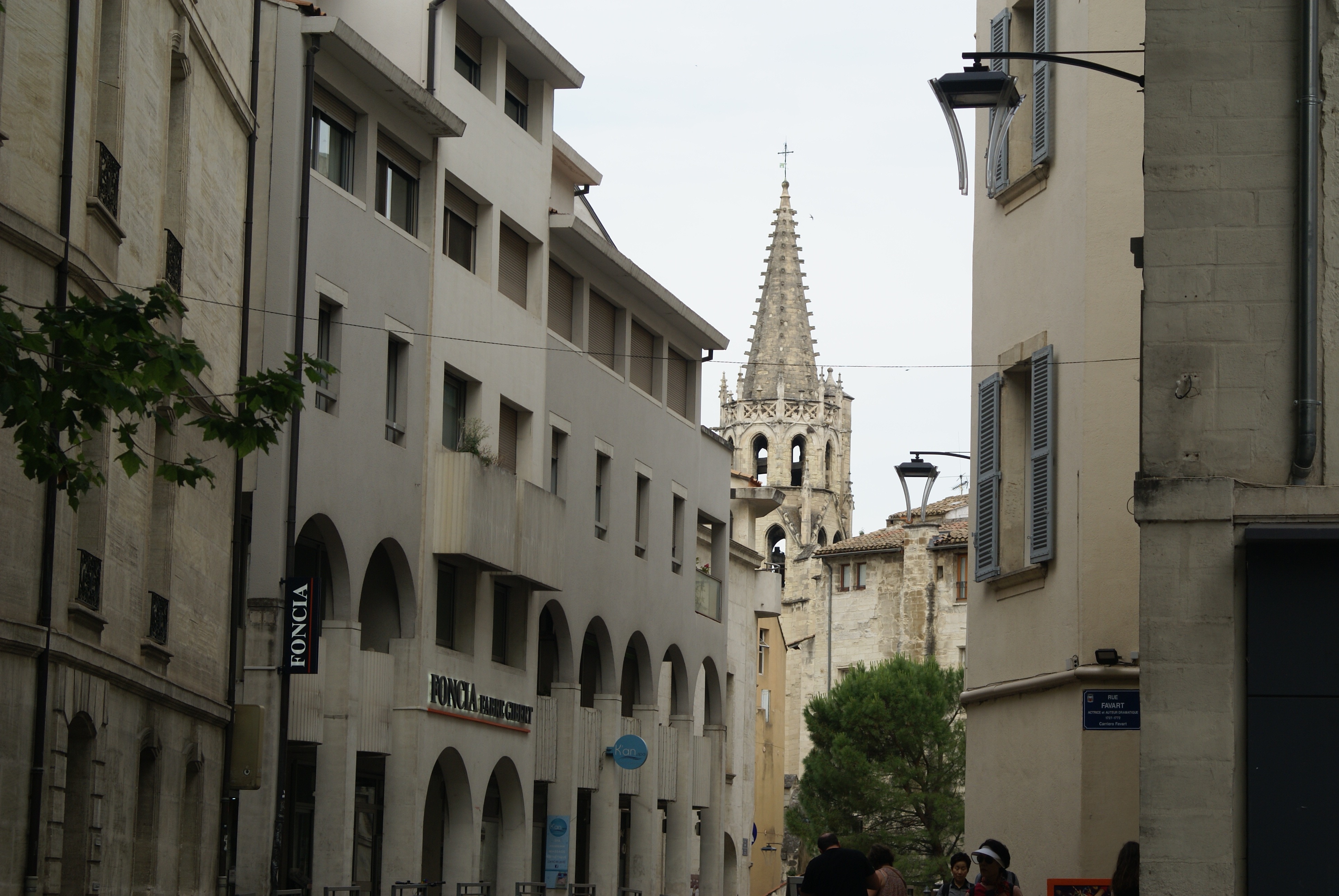
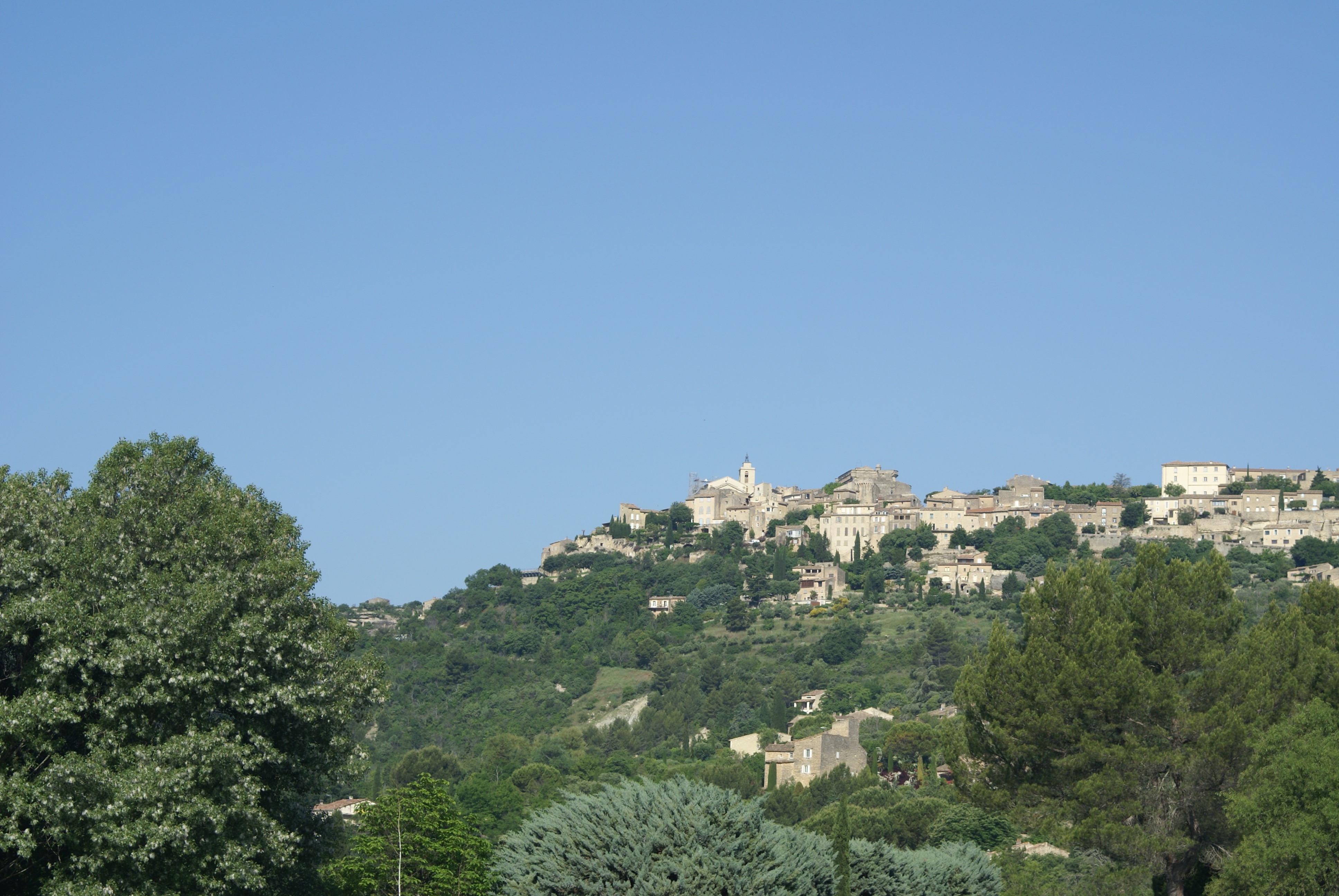
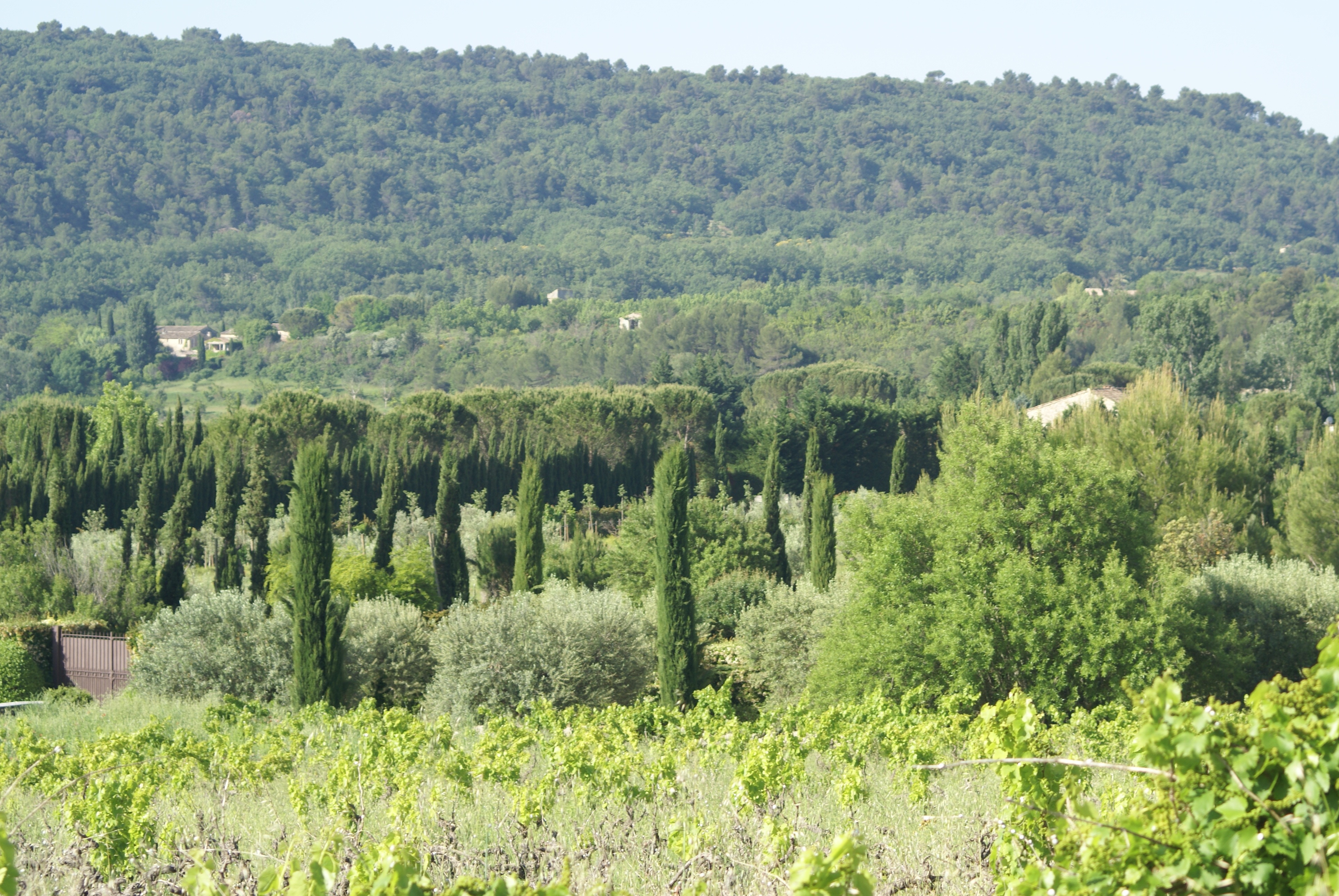
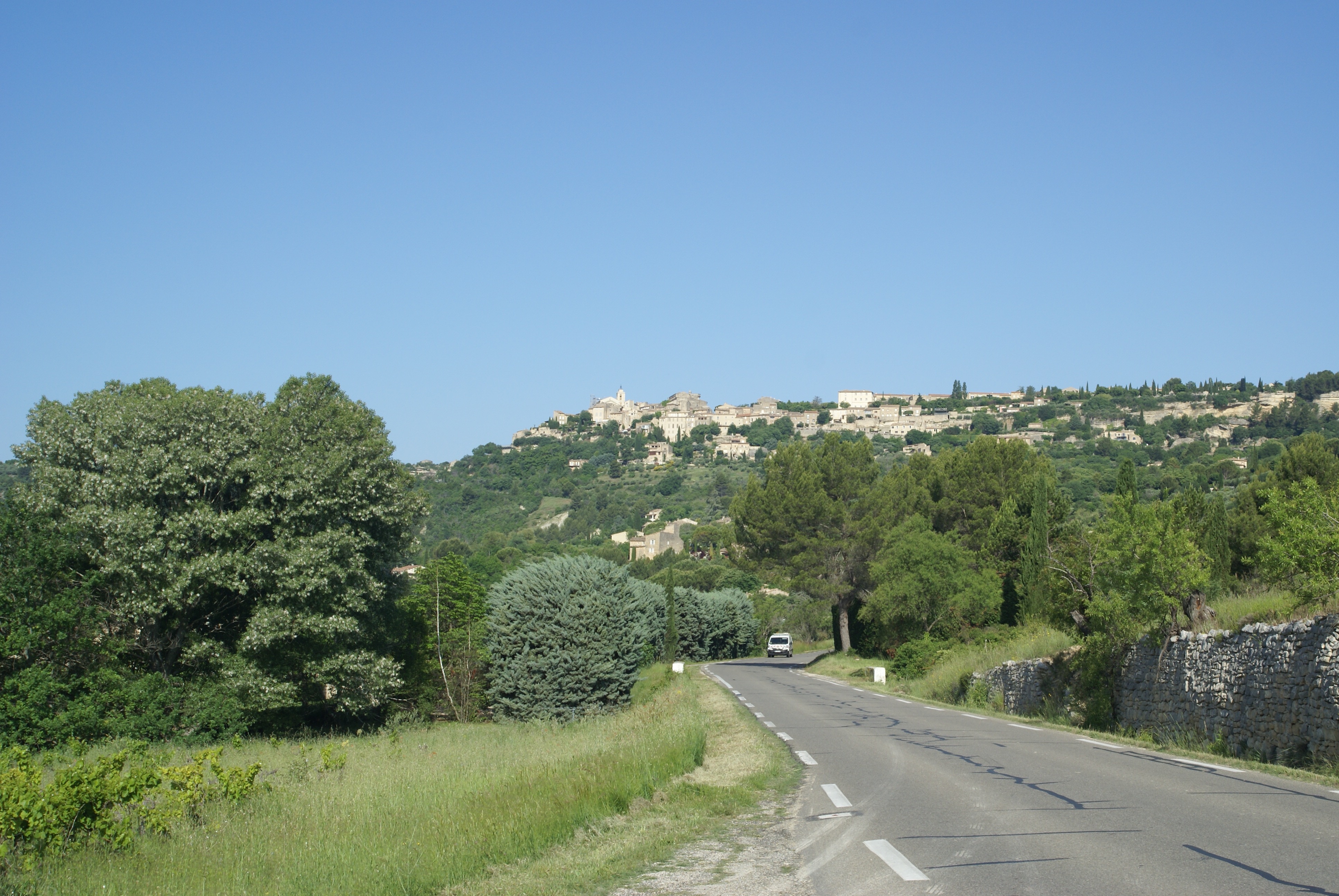
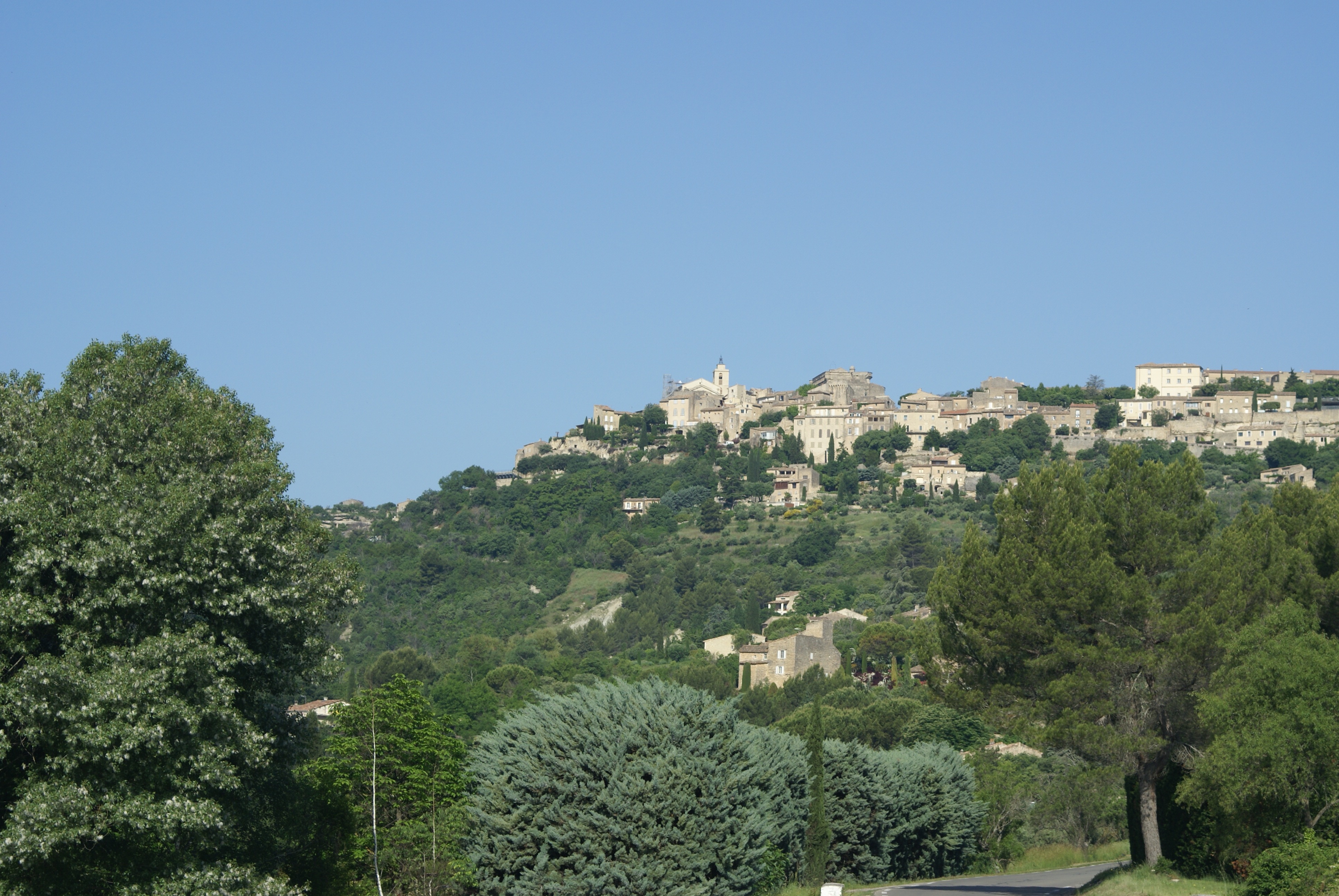
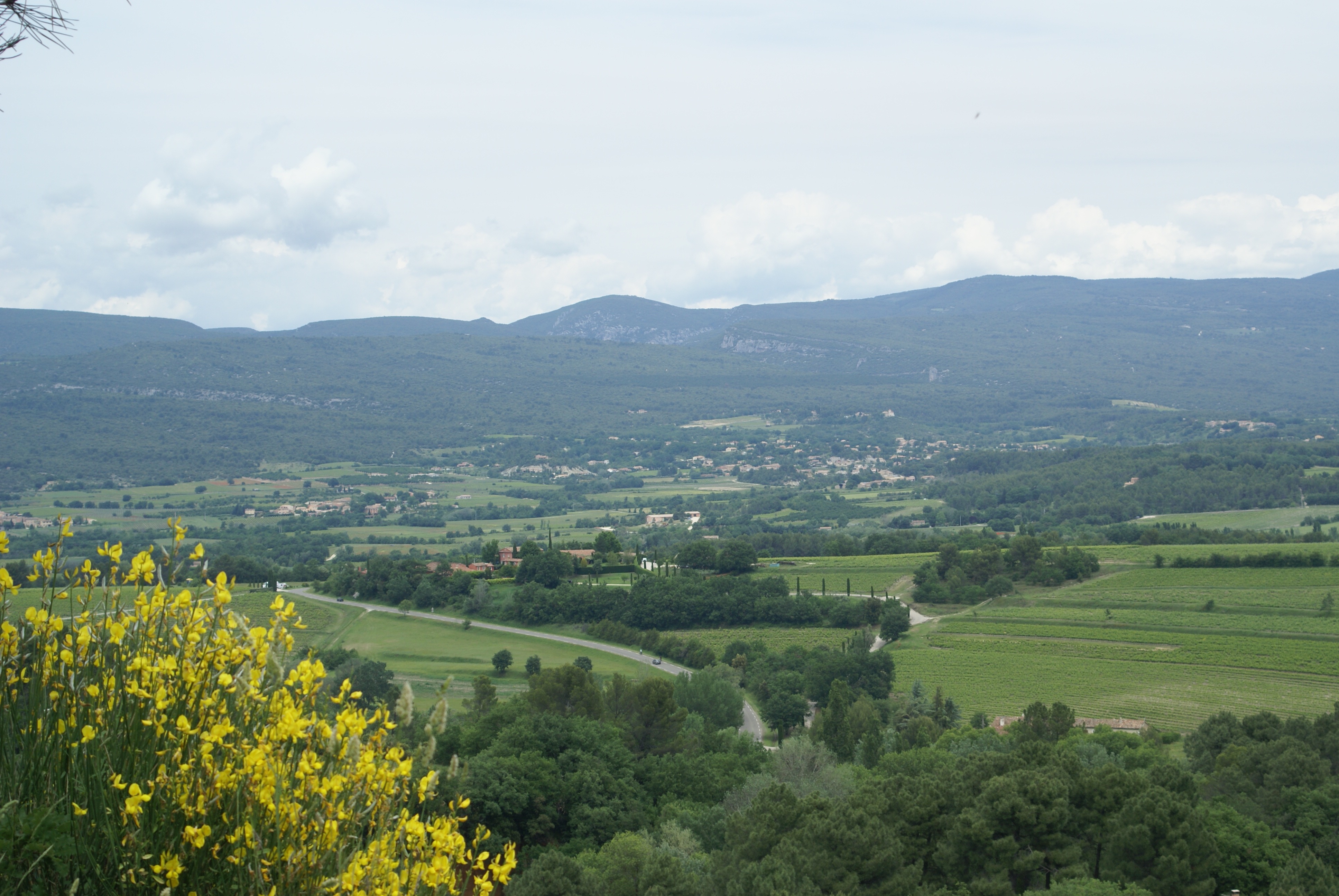
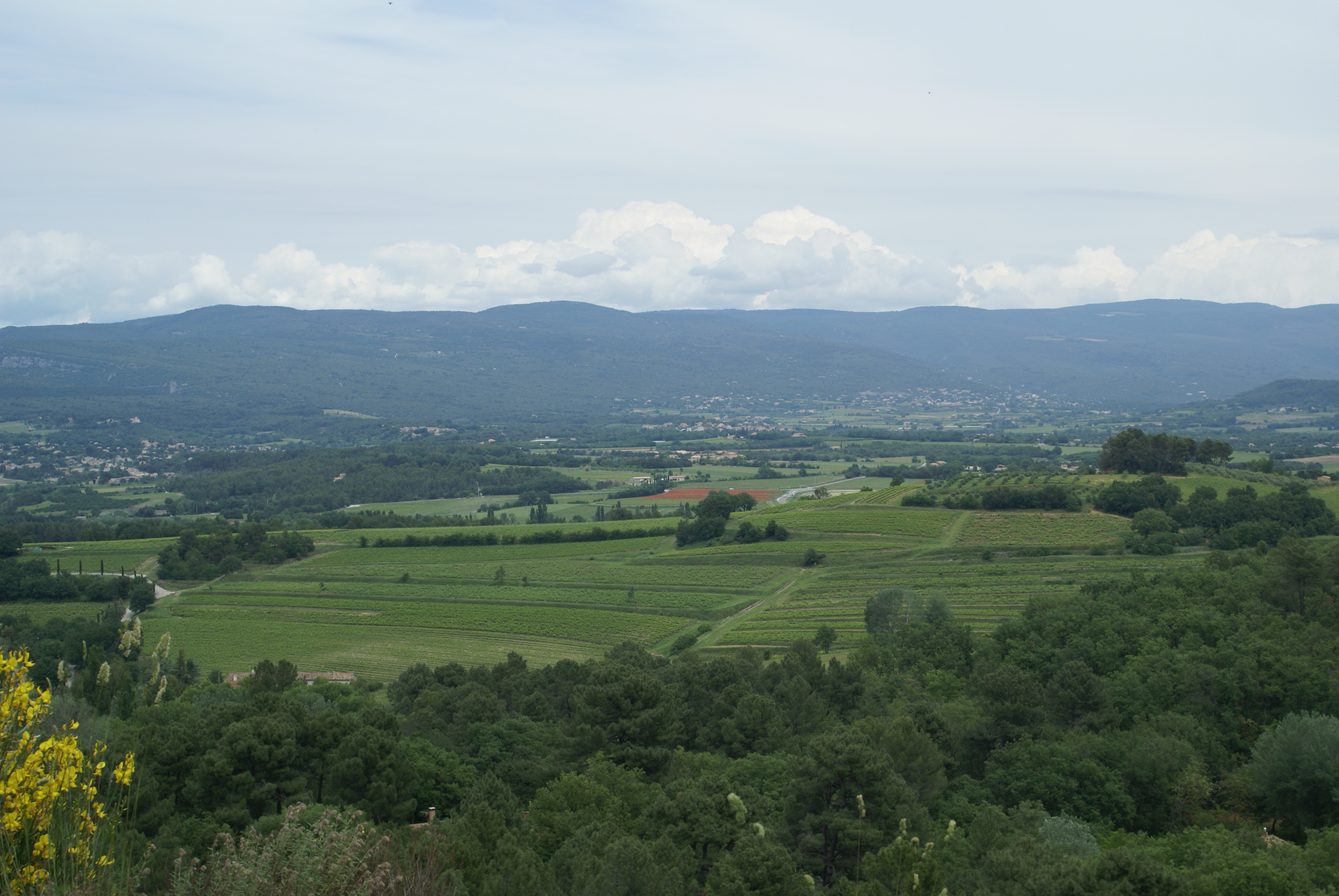
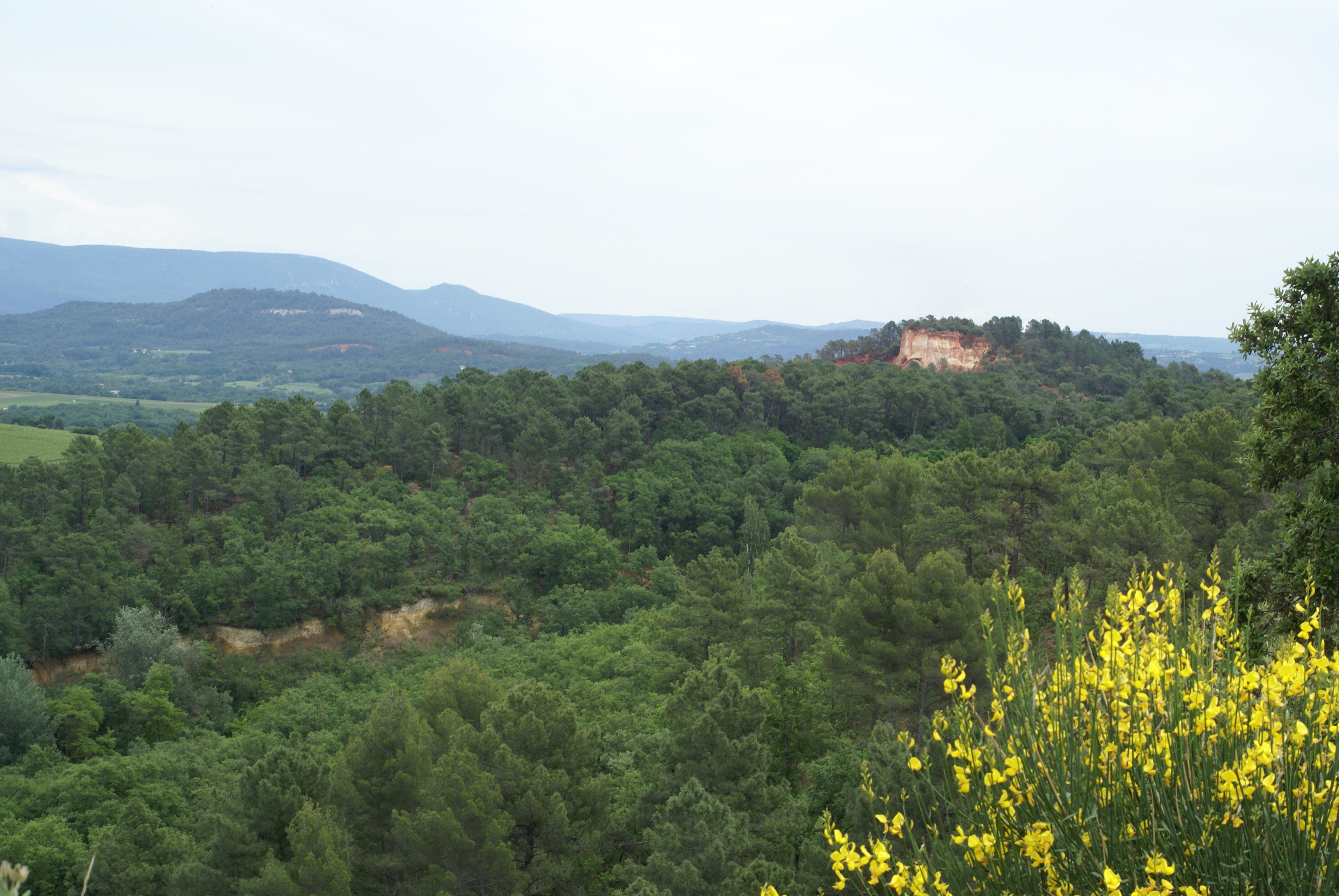
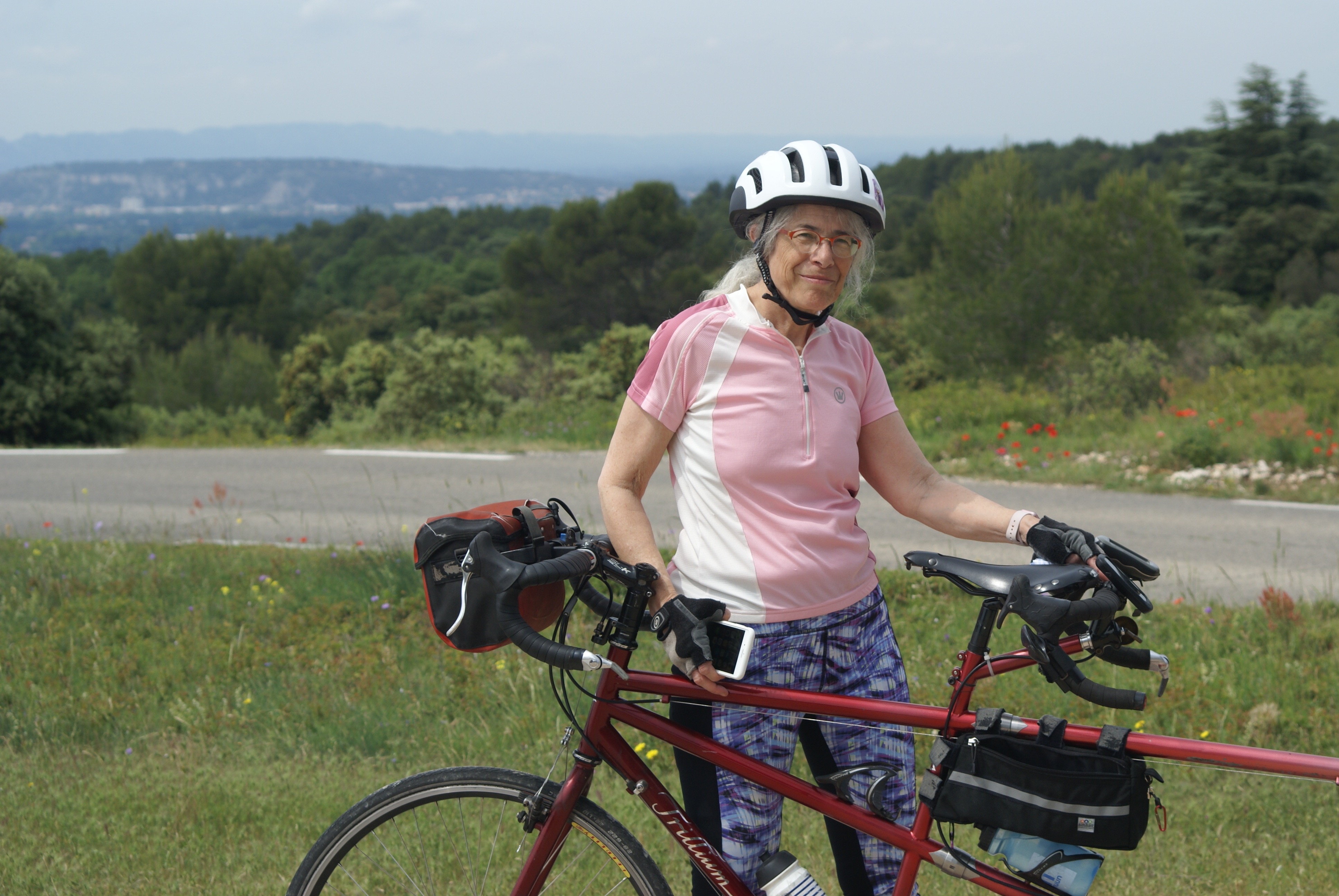
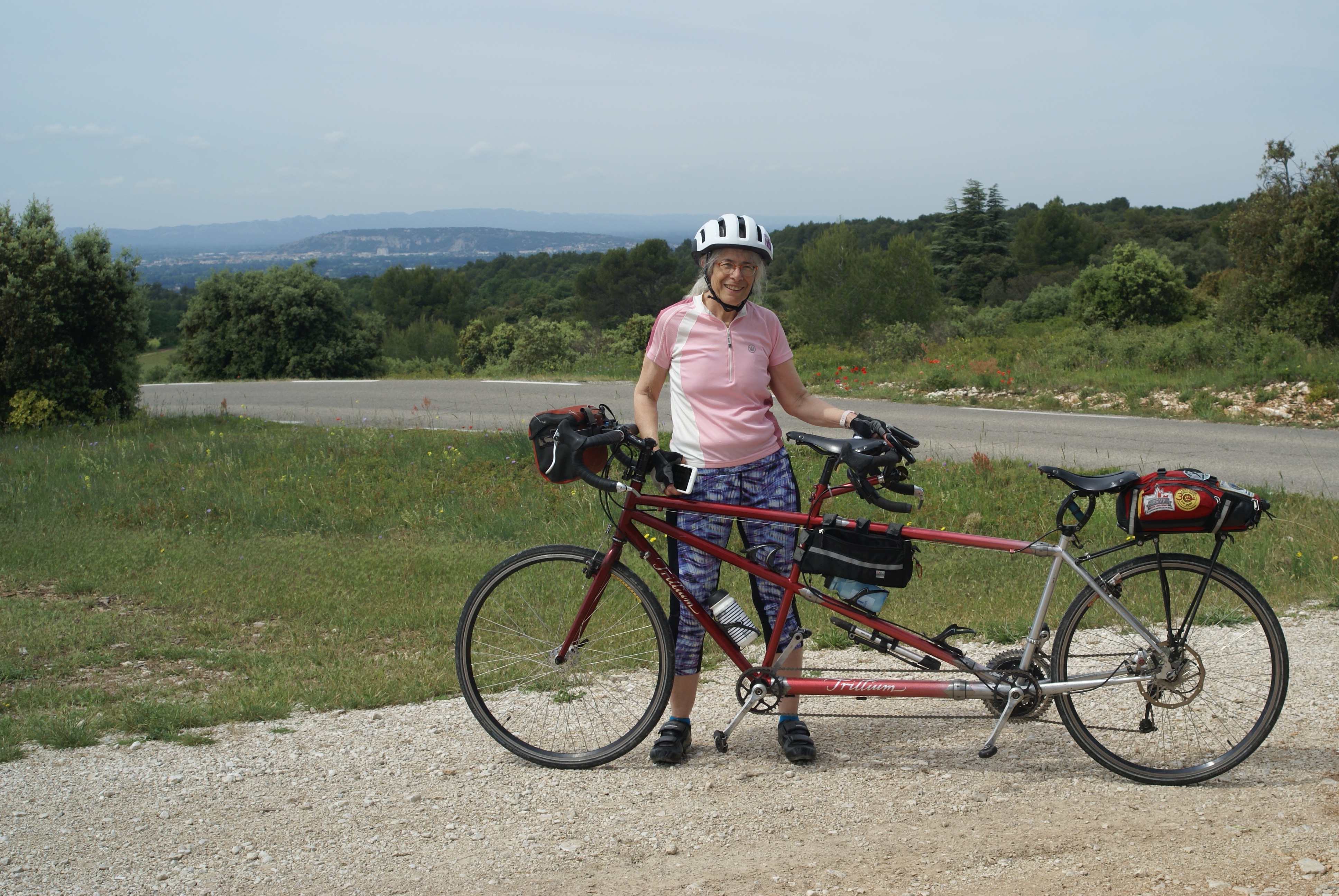
Provence Bicycle Tour

Lake Wilderness paving

It’s construction season in Seattle, one of our two seasons (the other being the rainy season.)  Closures have been announced or are in effect on the Interurban both North and South of Seattle, on the Sammamish River trail, on the Tolt Pipeline trail – and on the Burke Gilman.

King County just issued a determination of non-significance with respect to the paving of the existing trail that branches off of the Cedar River trail.  (This is the initial segment of a trail that will eventually run over to Black Diamond and server as a connector between the Cedar and Green River trails.)

My issue is the statement that “A variety of wall  types, including solider (sic) pile, concrete cantilever, and gravity block will be installed…”  It’s a trail, folks.  it’s flat.  The railroad grade has been there for 100 years.  Why do we need to tear out the existing structures and engineer a cadillac version?  Pave it, use permeable asphalt if you want, but take the savings and pave the Cedar River trail to Landsburg.
The cost of building out the compromise route of the missing link on the Burke is now up to $26 million and it will go higher before they get done.  I guess I shouldn’t be surprised that most of the conflict I encounter while riding is in construction zones – in our system those guys really do rule.


SPU Water System Plan

Seattle Public Utilities circulated a draft of a water system plan and as a frequent user of the Tolt Pipeline Trail I felt a need to comment:

Joan Kersnar, Drinking Water Planning Manager
Seattle Public Utilities
P.O. Box 34018; Seattle, WA 98124-4018
(206) 684-0839 or joan.kersnar@seattle.gov

Comments on 2019 Water System Plan

Dear Ms. Kersnar:

Thank you for this opportunity to comment on the Seattle Public Utilities (“SPU”) Public Review Draft (the “Draft”) of the 2019 Water System Plan (the “Plan”.)

The SEPA check list indicates that “The existing uncovered in-town reservoirs are closed for public use. The Lake Youngs, Tolt, and Cedar River Reservoirs are also closed for public use and the draft 2017 SPU Watershed Protection Plan includes further information on regulations, policies, and program details for these areas. “  It is important that the Plan address restricted access to these areas in order for those restrictions to be perceived as other than arbitrary.

It is clear from the Draft that SPU has evaluated the risk of contamination and other relevant risks insofar as covered reservoirs and in-town facilities are concerned and that it has concluded that public access in most cases can be properly managed. It is important that the Plan indicate that this same level of analysis and hazard mitigation will also be applied to the watershed areas so that reasoned decisions can be made regarding permitted recreational uses.

The discussions regarding Kerriston Road which are found in several places in the Draft, suggest that known exceptions to the access restrictions occur and that the risk to public safety and to SPU assets is not sufficient to warrant urgent actions. If the existing level of unauthorized access can be tolerated the Plan should address legalizing and managing this and similar activity. (The Plan should address how SPU can bring its significant expertise with relevant physical security, signage, lighting and design features to bear on managing public access to limited portions of the watershed areas.)

More specifically, the Cedar River Trail (Milwaukee RR corridor) between Landsburg Park and Rattlesnake Lake is an “attractive nusiance” that represents a gap in the regional trail system inviting illicit access (as evidenced by these GPS tracks.)

The Plan should address:

1. How SPU rationalizes restricting access by the public (with manageable physical and sanitary security risks) while permitting hunting access for selected community groups (with arguably greater physical and sanitary risk.)

2. How SPU justifies granting on-going, unsupervised trail access to the Evergreen Mountain Bike Alliance if similar access on designated trails cannot be afforded to the greater bicycle community

3. How SPU arrives at the conclusion that land acquisition in the Kerriston Road enclave is an appropriate capital expenditure as opposed to pavement and fencing to manage limited access.

4. The process SPU would use to develop management plans to address limited access to this segment of the trail

Thank you for this opportunity to comment. I look forward to the final version of the Plan.

Sincerely,

Jerry Scott


Lake Washington Loop closure

Ride today was supposed to come back on the loop route around the south end of the lake but at the Seahawks facility there was a Renton cop telling everybody that the road and the trail were closed for a Seahawks 12K.

They could have signed the closure so that people didn’t go a mile-and-a-half up the trail to a dead-end. They could have posted a detour. They could have routed their runners on the trail so that regular traffic could use the road. but no, they just shut it down with no notice and a cop who didn’t give a shit.

I saw at least 40 maybe 50 cyclists during the time it took me to ride up there and back. I thought about riding up Lake Washington Blvd and going around, but 44th and 30th were also closed so you’d have to ride over to Highway 900 somehow and come down that hill by Fryes. I don’t get how the city can close a county trail and I don’t get how you can shut down a public street with no detour. I guess that I should be glad I don’t live on the closed road, but this left me pissed off for the rest of my ride.

I emailed King County complaining that I was denied access to the ERC – we’ll see what kind of response comes from that.  UPDATE:  lots of weasel but better than nothing.

Raised Plates Ahead

There are 38 raised plates on the new 520 Bridge bike lane apparently covering expansion joints.  At least 28 of them are on the original section of the bridge – the western high-rise and approach ramp have fewer plates and most of them are wide.  The original section has closely spaced narrow plates that are humped-up so that you want to get out of the saddle when you hit them at a normal speed.  Instead of replacing the bumps with flat ones, or instead of mounting them flush with the trail surface, WSDOT installed a sign warning cyclists of the hazard ahead.

The I-90 bridge has fewer expansion joints and no covers on the main bridge.  On the east channel bridge there are covers, but they are flat and flush with the trail surface.  (They don’t have as many bolts holding them down as the new  520 ones do so they make noise but no real bump when you go over them.)

It’s possible that the design of the plates on the 520 bridge was intentional to save money or to better drain water or something, but in terms of user utility it was a really dumb design.  Unless the idea was to employ “hostile architecture” to slow people down…

Lynnwood Interurban Fix

March 25 Everett Herald

LYNNWOOD — Drivers and cyclists alike will have detours while city crews complete a “missing link” in the Interurban Trail near 212th Street SW, at the border with Mountlake Terrace.

Contractor crews working for the city of Lynnwood are expected to start setting up for work this week. Once under way, work hours are expected from 7 a.m. to 6 p.m. through July, with minor activity continuing into the fall.

Eastbound traffic will be detoured first, likely starting the week of April 2, followed later on by westbound traffic.

The street will be modified and the trail realigned along the north side. A new crossing is planned there near 63rd Avenue W. The project, which includes other public works construction, is expected to cost about $2.9 million.

********************************************************************

Originally they said that they were going to fix this gap in 2016.  then the PUD said that they were going to move stuff so that there would be a cheaper option if construction was delayed and they announced that it would be done in the fall of 2017.  Now it’s spring of 2018 – pretty close.  You may remember that this is the project that cuts through the substation (or pole storage yard) north of 212th and eliminates the detour by the tennis courts. It’s going to be better than what’s there now – no chicane at the park entrance, no crazy crossing with an island in the middle.  However, I’ll bet that routing the trail on the north side of 212th for almost a block isn’t going to feel like it was designed for cyclists.  We’ll see…